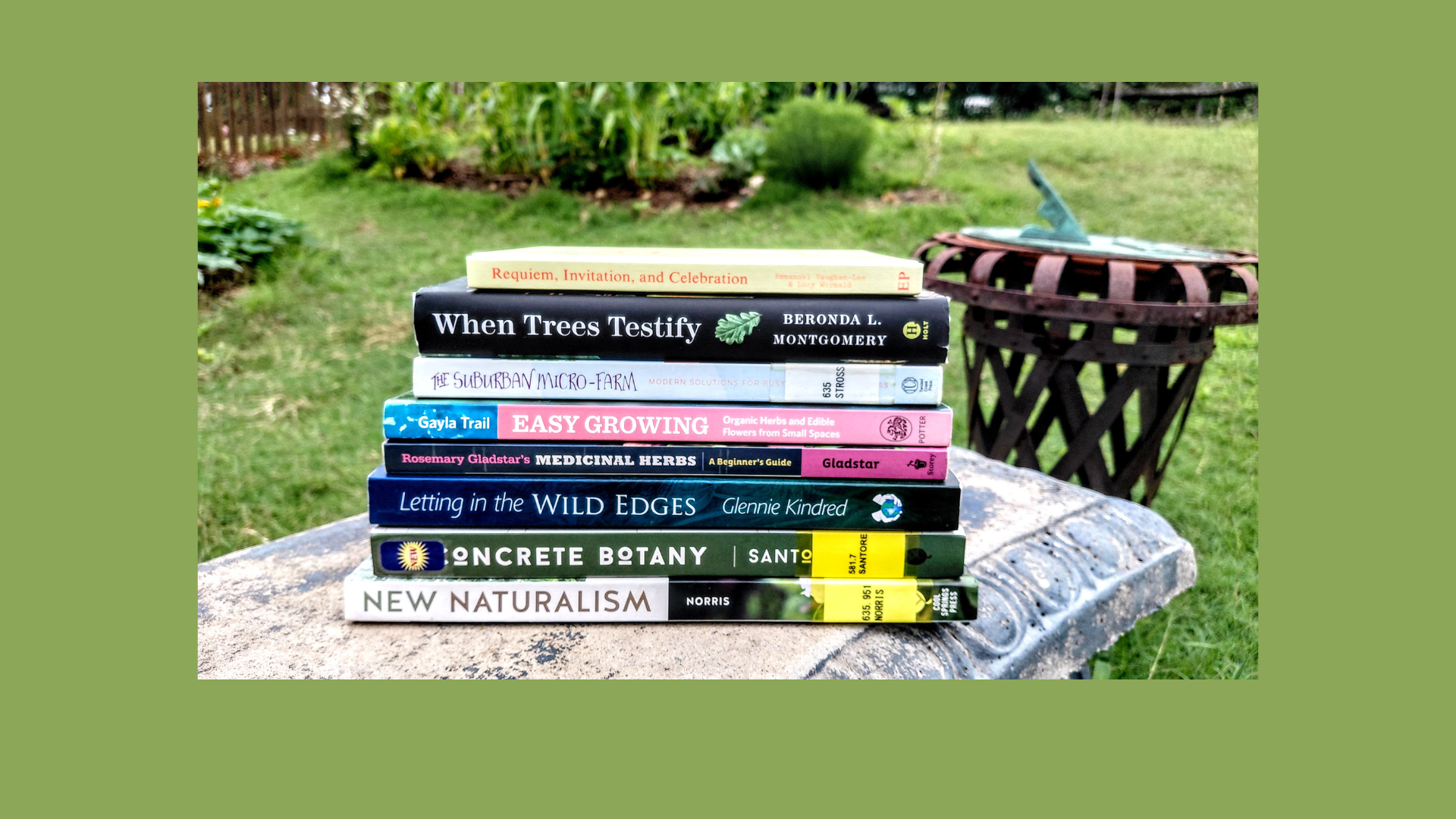
Therapeutic Horticulture ~ Nature-Based Curriculum Design
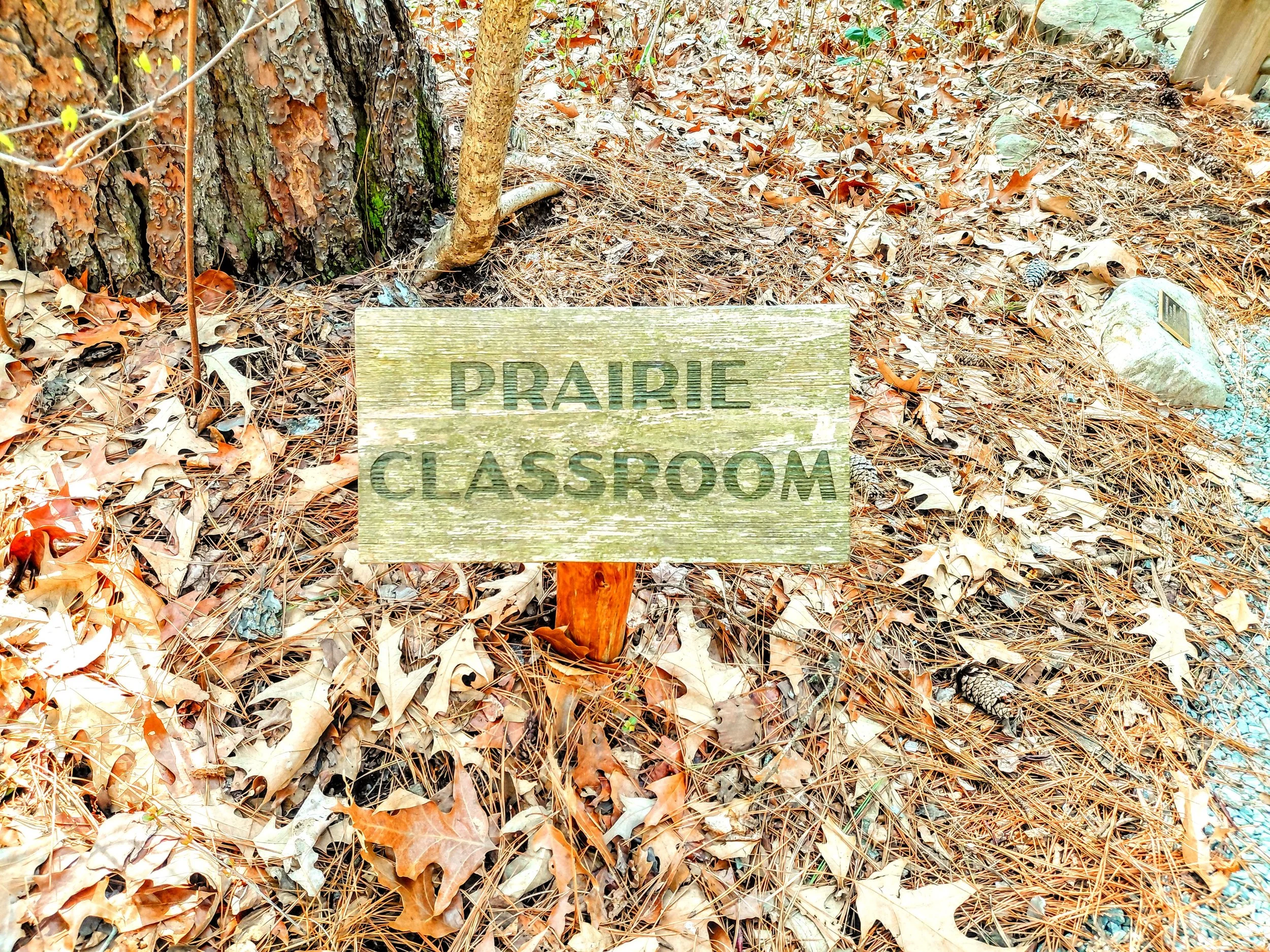
Photo taken in the Blomquist Garden of Native Plants at the Sarah P. Duke Gardens in Durham, NC. The garden features native plants, winding paths, and an outdoor classroom. What an inspiration!
Interested in incorporating plant-based activities and awareness into your practice, classroom, workplace? Curious how cultivating a deeper relationship with the “natural world” can pique the curiosity of children and adults alike? Looking to cultivate mindfulness and compassion in your work with clients, patients, or students?
It’s crucial that we recognize and act wisely upon our innate connections to the plant world. Our lives literally depend upon it! And so do the lives of every living organism on our planet. A Therapeutic Horticulture lens can help us do this as we hone skills, such as close observation and detailed description; learn about the life cycle of plants; and practice embodied awareness. HOW I develop a curriculum of activities for you will depend on the population of people with whom you work, where you’ll be facilitating your offerings, and what your specific goals are for these sessions.
Your Curricula might take shape as:
Nature-centered mindfulness practices to support everyday stress and fatigue
Gentle plant practices for opening to grieving and healing
Horticulture-infused project-based learning for students
Activities for fostering social interactivity with/in the garden
Questions for deepening your understanding of biodiversity, ecoregions, habitat, and stewardship
How the Design Process Unfolds:
Seedling Meeting (approx. 45 minutes, online or in-person) - We discuss your ideas, goals, questions, etc.
TH Curricula Draft - Joanne creates a set of nature-based activities/practices for you, based on our meeting
Transplant Meeting (approx. 30 minutes, online or in-person) - We talk through the curricula, and you ask questions and suggest any revisions that you may have
Compost Meeting - (approx. 30 minutes, online or in-person) - Once you’ve begun to implement the curricula (or after you’ve completed it), we meet to discuss your challenges, successes, next steps, et al.
Further Resources - Joanne shares helpful resources for you to continue your learning
Your Investment:
This offering is based on a sliding-scale: $250 ! $350 ! $450
*If a payment plan works best for you, please choose the $100 option and we’ll agree to the date by which you’ll pay the remainder.
Questions? Please reach out to Joanne at: grow [at] invitingabundance.net OR 828.348.4164
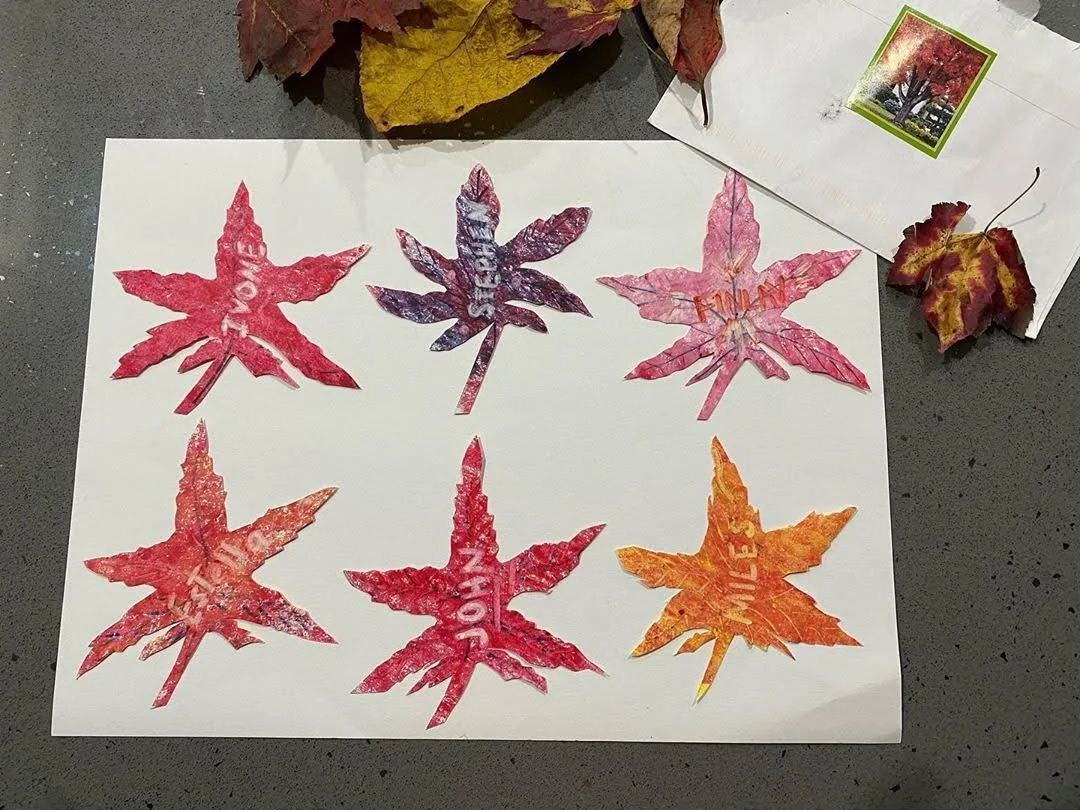
This was a project I contributed to a Grief Art Installation. I drew and colored in these Japanese Maple leaves. Each leaf bears the name of a loved one who has died. These leaves could be used in many ways to talk about beauty, connection, love, and impermanence.
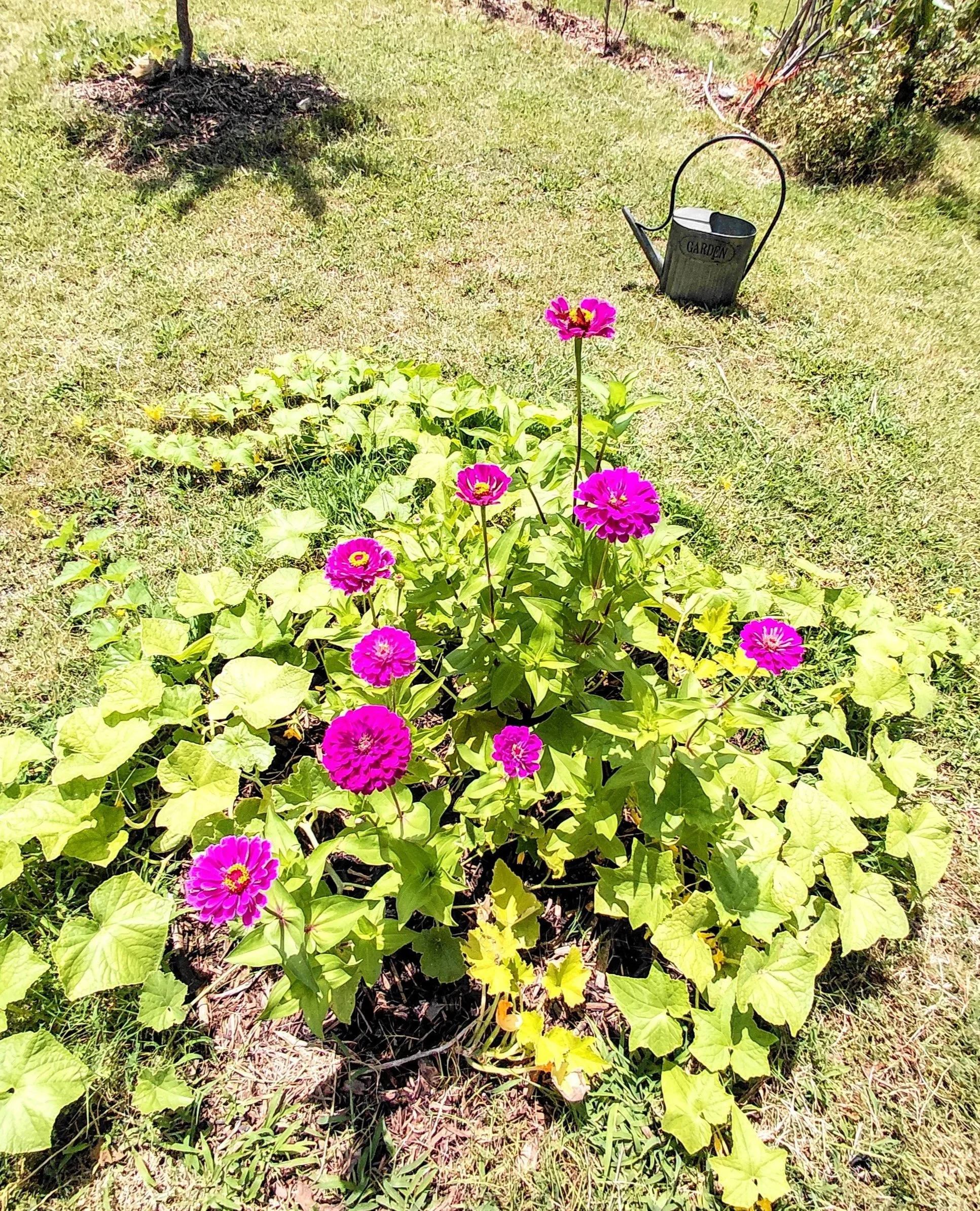
Planting zinnia inside a circle garden bed allows plenty of room for cucumber vines to sprawl and invites pollinators to visit when the cucumber flowers bloom. This is a great way to explore interdependence, color, growth, and much more.
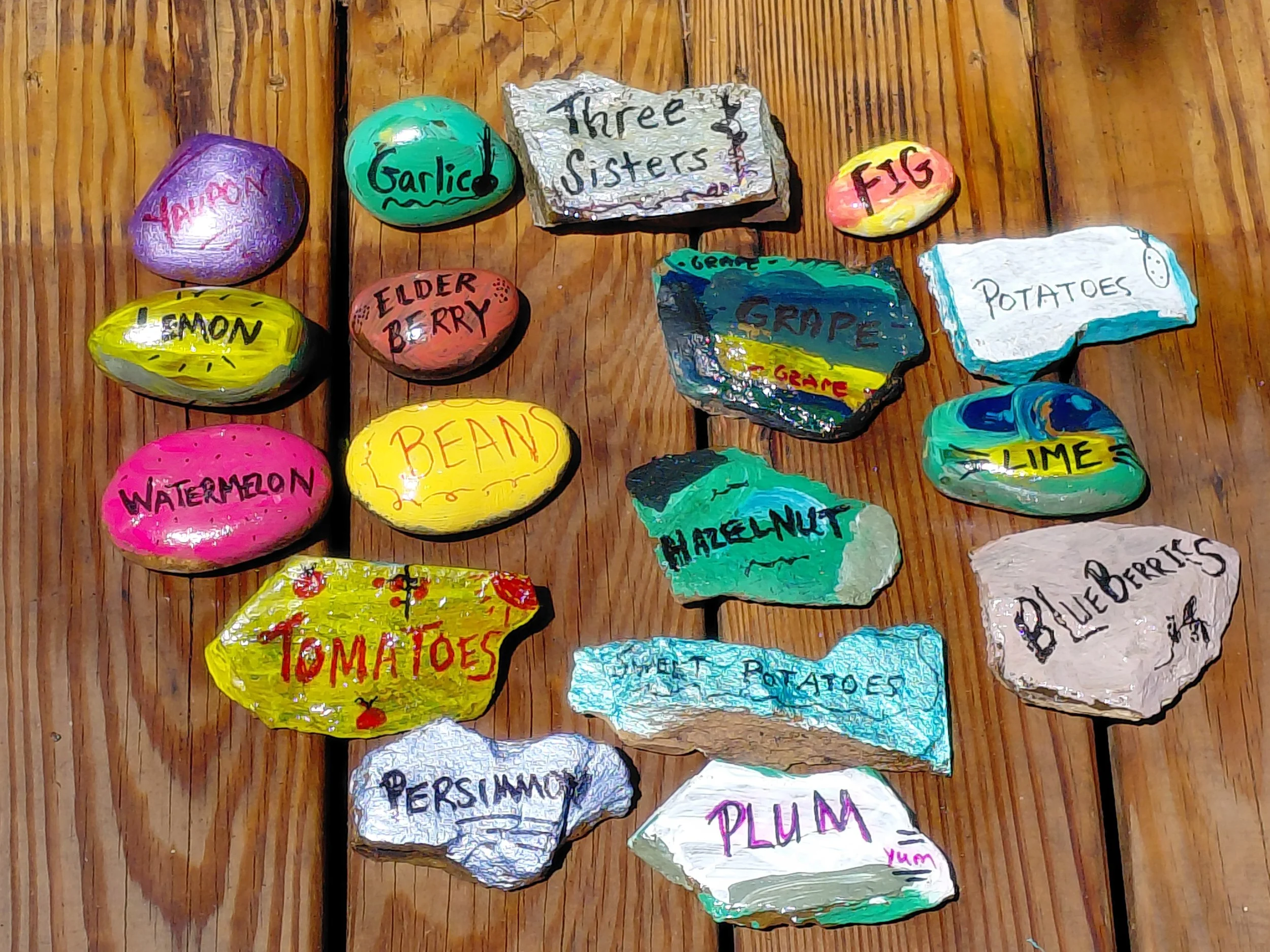
What a bright, colorful, kid-friendly way to identify garden plants! We used found stones, paint, and permanent markers. Kids can then do a garden scavenger hunt to place the right stone at the right plant. Add more stones for pollinator identification or small garden areas within a larger landscape.